
August 19, 2024
How Sheet Metal Fabrication Works
Sheet metal is ideal for a variety of manufacturing projects because it’s strong, durable, and malleable. Design and engineering professionals...
Read More

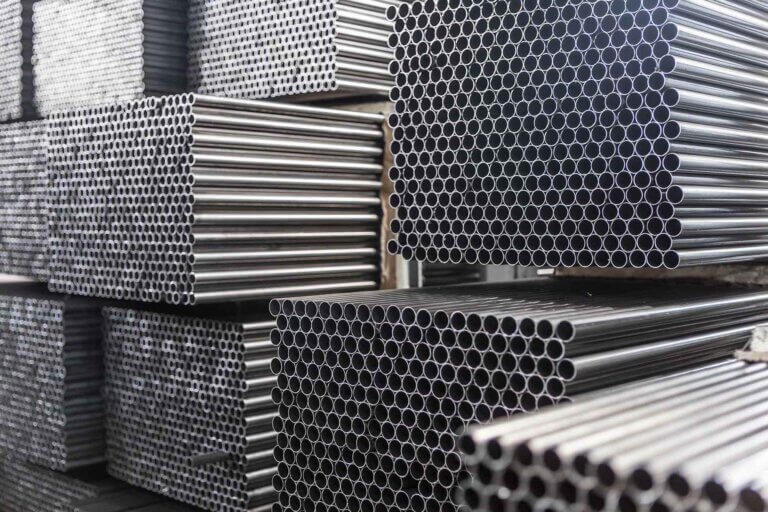
The terms pipe and tubing are sometimes used interchangeably by mistake in manufacturing. However, these industrial components have unique specs and applications.
Table of Contents

Pipes and tubes serve different uses based on their unique characteristics. Pipes are a common infrastructure in industrial settings for handling various fluid systems. These sectors include plumbing systems to transport water, waste, and sewage; the petroleum industry to move natural gas and petroleum products; and industrial settings for various fluid systems.
Pipes are also key components in cooling and heating systems, enabling the transfer of hot or cold fluids. Their design allows for the efficient and safe transportation of air or water under pressure.
Tubes, meanwhile, provide structural support in building construction. They offer strength and stability to the framing of roofs, walls, and columns. Tubing also supports structures in components in HVAC systems for air distribution. Tubes’ versatility in shape and precise dimensions enable them to serve as protective conduits for electrical wiring.
The basic dimensional differences between pipes and tubes significantly influence their suitability for different uses. Standard measurements for pipes and tubes differ significantly.
Pipes use the Nominal Pipe Size (NPS), a North American system of standard sizes in inches, to define their ID. This measurement provides a rough estimate of the pipe’s conveyance capacity. Diameter Nominal (DN) is an alternative unit for measuring the pipe’s bore size in millimeters.
In contrast, tube dimensions depend on their OD and wall thickness. This measurement approach allows fabricators to meet precise manufacturing specifications. The OD measurement includes the entire external circumference of the tube, providing a clear understanding of its size and structural applications. These readings are in millimeters or inches.
Wall thickness is critical in determining the strength and durability of pipes and tubes. For pipes, wall thickness is specified in schedules (SCH), such as SCH 40 and SCH 80. These schedules indicate the thickness of the pipe wall and its ability to withstand pressure. A higher schedule number means a thicker wall, indicating a higher pressure rating.
Tube thickness, on the other hand, is measured directly and expressed in millimeters or inches. Precisely measuring wall thickness ensures the tubes can maintain structural integrity during use.
Pipes and tubes come in a wide range of sizes to accommodate various applications, materials, and project scales. Pipe sizing can vary from small diameters for residential plumbing to large diameters for industrial fluid systems.
Tubes are also available in multiple sizes, from small, precise dimensions for medical devices to larger sizes for structural frameworks. Smaller sizes are ideal for applications requiring flexibility and ease of installation, while larger sizes provide the necessary strength and capacity for heavy-duty uses.
Specific Size Ranges and Applications:

The choice of material for pipes and tubes depends on environmental factors and inherent properties:

The various manufacturing processes for pipes and tubes include:
Quality control measures involving inspection and testing ensure products meet industry standards. It’s essential to maintain strict tolerances for tubing to guarantee precise dimensions and consistency.
Pipe tolerances are more flexible, as the primary concern is often the ability to transport fluids or gases effectively. However, maintaining tolerances allows for proper fit and function in systems containing pipes.
Pipes and tubes handle different types of pressure environments. Pipes are common in high-pressure situations, such as industrial fluid systems. Their ability to withstand internal pressure is critical. Expert design and production guarantees they can maintain integrity under varying pressure levels.
Tubes, in contrast, help reinforce structural integrity. Their primary function lies in load bearing and maintaining shape under stress. Tubes require precise engineering tolerances to enable consistent performance.
Due to their precise dimensions and material properties, tubes are useful in heat transfer applications. Copper and aluminum tubes are preferred over pipes in HVAC systems and heat exchangers. Their consistent wall thickness and diameter enhance thermal conductivity and efficiency.
Tubes are common in structural applications due to their strength, versatility, and precise dimensions. In the construction industry, tubes comprise load-bearing components like frameworks, bridges, trusses, and frames.
They are also suitable for supporting heavy machinery such as excavators, cranes, rigging equipment, steam rollers, and bulldozers. Meanwhile, pipes are typically useful for fluid transport rather than structural purposes.
Materials like stainless steel, brass, and exotic metals are more costly due to their enhanced properties. Seamless tube manufacturing is generally more expensive than welded pipes due to the complexity and precision required.
Larger sizes typically cost more due to the increased material and production costs. High demand can also drive up prices, especially for scarce materials.
Pipe production happens in larger quantities due to their widespread and consistent use in plumbing and petroleum industries. This mass production helps lower costs while ensuring consistent availability.
Tubes, on the other hand, may be available in smaller batches. They cater to specialized needs requiring precise dimensions and specific material properties.
Pipes and tubes use various end connections depending on their applications:
The manufacturing and use of pipes and tubes have an impact on the environment. Opting for recyclable materials like stainless steel and aluminum can reduce waste and minimize the environmental footprint. Regular maintenance and inspections for corrosion, leaks, and damage ensure longevity. Adopting these practices can promote sustainability.
Understanding the differences between tubing vs pipe can help you effectively choose one for your next project. As a custom pipe and tube supplier, The Federal Group USA is ready to provide engineering assistance in pipe and tube production. Our capabilities include:
Request a quote today for your next pipe and tubing project.

